





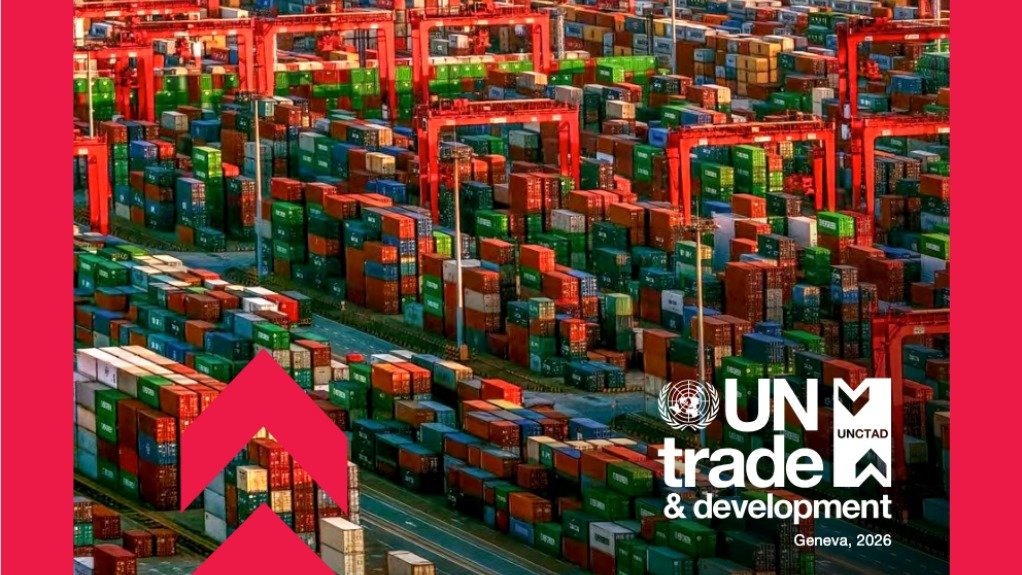
- Two decades of intra-BRICS trade: Trends, patterns and policies3.80 MB
Global trade is being reshaped by shifting trade partnerships and policies, evolving supply chains and the search for resilient growth. This report examines two decades of trade expansion among the 10 BRICS members, revealing how economic ties are evolving and creating new opportunities for the global South.
BRICS is named for its founding members, Brazil, the Russian Federation, India, China and South Africa. But it has grown to include Egypt, Ethiopia, Indonesia, Iran and the United Arab Emirates.
The report shows that trade between BRICS members has grown rapidly since 2003, driven by strong complementarities in natural resources, manufacturing and technology, as well as a changing global context. Yet constraints in policy-level cooperation still limit intra-BRICS trade’s full potential – highlighting the need for targeted strategies to strengthen cooperation and build deeper trade networks.
Rising intra-BRICS trade reshapes members’ economic ties
Intra-BRICS merchandise trade has expanded more than 13-fold since 2003. Exports reached $1.17 trillion in 2024. China remains the central driver and, alongside Brazil, India, Indonesia, Russia and the United Arab Emirates, significantly accounts for the most dynamic trade flows among the BRICS members.
Report by the United Nations Conference on Trade & Development
EMAIL THIS ARTICLE SAVE THIS ARTICLE ARTICLE ENQUIRY FEEDBACK
To subscribe email subscriptions@creamermedia.co.za or click here
To advertise email advertising@creamermedia.co.za or click here

