





The content on this page is not written by Polity.org.za, but is supplied by third parties. This content does not constitute news reporting by Polity.org.za.
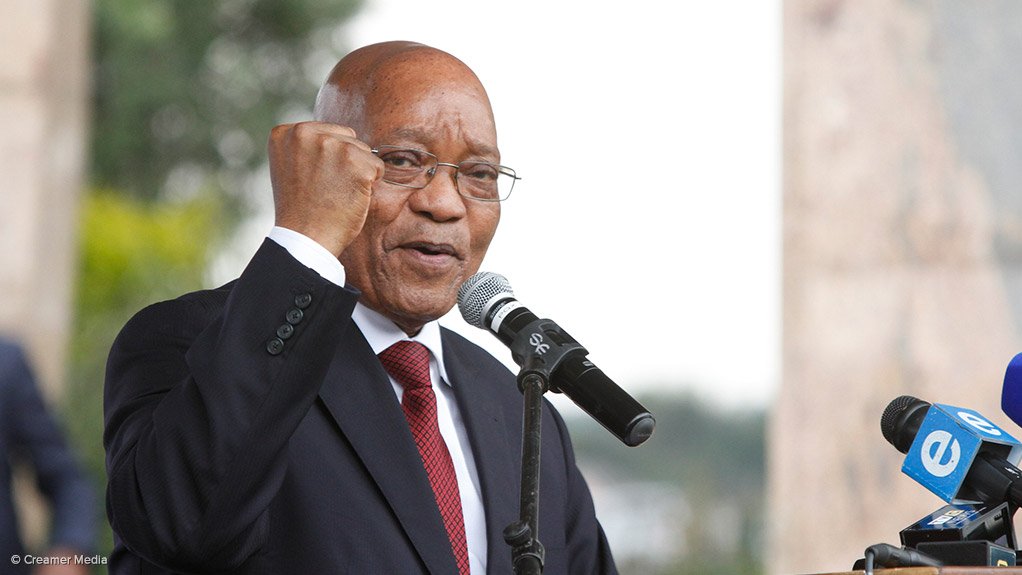
Former President Jacob Zuma’s eleventh-hour demand that Justice Sisi Khampepe be withdrawn as chairperson of the Commission investigating alleged political interference in the prosecution of apartheid era crimes compounds the very injustice the Commission was set up to probe.
The Khampepe Commission was established by the President earlier this year after the launch of damages litigation against the State by families of apartheid-era victims of crimes alleging inordinate prosecutorial delays. More than 300 cases in which the perpetrators did not apply or were not granted amnesty were recommended by the Truth and Reconciliation Commission as warranting further investigation.
The TRC recommendations were contained in the final volume of its report to the government in 2003. Virtually none were followed up until pressure by the family of Ahmed Timol effectively forced the State (in 2017) to reopen the inquest into his 1971 murder in detention. Since then, a handful of other matters have been re-examined, but most of the TRC recommendations remain materially ignored, prolonging the injustice for families seeking closure.
It has been alleged in an affidavit by former National Prosecutions chief Vusi Pikoli that he was placed under political pressure not to prosecute, while just before his death, former President FW De Klerk’s Foundation issued a statement claiming the existence of a secret deal not to prosecute the TRC cases.
Pikoli claims that the TRC cases were among the reasons he was eventually fired by former President Thabo Mbeki. Mbeki would also likely know if De Klerk’s Foundation was truthful about having struck a heavily loaded secret non-prosecutions deal with the ANC. Mbeki has strongly dismissed both the Pikoli and De Klerk claims.
Until now, Zuma, who succeeded Mbeki as President, has said very little about the non-prosecution of the killers of his former comrades.
Practically, if Zuma’s argument succeeds that Khampepe must recuse herself due to alleged bias as a member of the court that made a negative finding against him, it would preclude most senior judges from undertaking the assignment. That, together with scope for possible appeals depending on court outcomes, could further delay the TRC matters until all the people who can ever be held accountable are dead.
The waylaying of the President’s commission makes the families’ litigation doubly important. Justice must be seen to be done. It is a cornerstone of truth and democracy.
A key strand of this unseemly saga is the allegation that the ANC-led government couldn’t prosecute apartheid government killers because members of the old government had collected very damaging information about their successors. In March and April 1999, the TRC announced it had refused amnesty to 27 and 79 ANC members, respectively, on the grounds that amnesty required personal – not collective – responsibility. Among the applicants in the first batch was the ANC’s National Chairman, Jacob Zuma. There could be some clues there.
Issued by Unite for Change Leadership Council Member and GOOD Secretary-General Brett Herron
EMAIL THIS ARTICLE SAVE THIS ARTICLE ARTICLE ENQUIRY FEEDBACK
To subscribe email subscriptions@creamermedia.co.za or click here
To advertise email advertising@creamermedia.co.za or click here

