





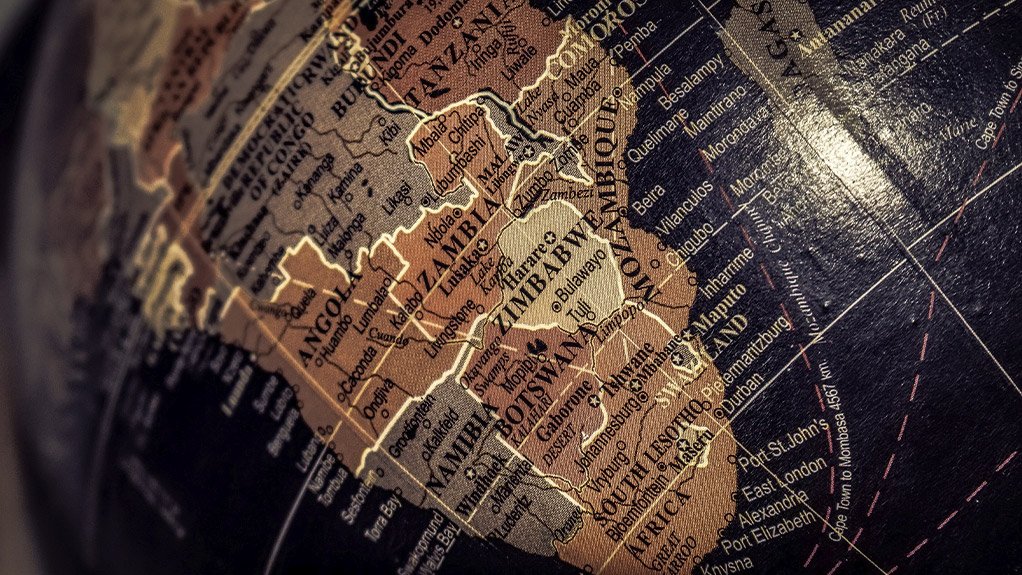
Research agency BMI forecasts that sub-Saharan Africa’s real GDP will grow by 4.2% this year, compared with 3.9% last year, which will mark the region’s strongest growth pace in more than ten years.
BMI says Nigeria, Ghana, Kenya and Ethiopia are poised to contribute meaningfully to growth in the region, with GDP growth projections of 4.3%, 5.9%, 5.2% and 7.2% for the year, respectively.
BMI sub-Saharan Africa country risk head Jane Morley says domestic demand will hold up despite global trade uncertainty, with consumer demand in particular being bolstered by lower interest rates and lower inflation.
It also helps that most markets in sub-Saharan Africa are not highly exposed to US tariffs, which means tariff-related headwinds will have limited impact on regional growth barring in select markets such as South Africa.
Considering the increased US protectionism, Mainland China will continue to engage with countries in sub-Saharan Africa as Beijing looks to capitalise on global uncertainty.
BMI reports high US tariffs and anti- dumping measures elsewhere have positioned sub-Saharan Africa as an attractive export destination – for example, Chinese exports to Africa have surged 20.4% since March 2025.
China’s announcement in June last year that it will remove all tariffs for African States with diplomatic ties will boost imports from sub-Saharan African countries, though the trade imbalance will widen as China continues importing unprocessed goods while exporting value-added products.
In turn, BMI believes US relations with sub-Saharan Africa will become increasingly transactional and bilateral, favouring markets with significant energy and critical mineral assets.
Traditional multilateral programmes such as the African Growth and Opportunity Act (Agoa) and the US Agency for International Development will be deprioritised. BMI expects only a short-term extension for Agoa in the second half of the year, rather than the historical ten-year extension.
In terms of US trade, BMI says sub-Saharan African markets with limited energy or mineral reserves will struggle to negotiate favourable US market access and will have far less leverage under the multilateral framework.
In outlining other macroeconomic trends shaping growth in sub-Saharan Africa, BMI finds that the region’s government will increasingly consider innovative financing mechanisms to make up for fiscal shortfalls.
Public finances face rising needs, prompting governments to explore non-traditional financing methods.
“While fiscal consolidation will resume in 2026, with the regional aggregate deficit narrowing from 3.8% of GDP to 3.6%, nominal financing needs will rise to $82.5-billion, which is the highest since 2021,” Morley explains.
Limited scope for further International Monetary Fund financing, saturated domestic capital markets and still-high , she adds, expecting more Sharia-compliant bonds, sustainability-linked bonds, syndicated loans and non-US dollar or Euro-denominated debt to come to the fore.
Moreover, BMI is confident that exchange-rate pressures will build as trade conditions become less favourable.
While 2025 saw record export receipts driven by high commodity prices, key commodity prices (except copper) have peaked, implying weaker export growth.
Meanwhile, strengthening domestic consumption will push up imports and foreign exchange demand; nine of the 15 largest sub-Saharan African economies will see their trade balance worsen. However, depreciations will remain relatively contained amid a soft US dollar, owing to Federal Reserve rate cuts and persistent US fiscal deficits.
On the political front, BMI expects tensions to rise this year, with just eight of the 49 sub-Saharan African countries scoring better than the global average on BMI’s Political Risk Index.
Nigeria, in particular, is increasingly grappling with a variety of security challenges with little prospect of improvement this year.
Security risks remain high, particularly in West Africa where military-run Sahelian governments struggle against Islamist insurgents and spillover risks into coastal States are rising.
Social stability risks will also persist in countries such as Uganda, Ethiopia, Benin, Congo-Brazzaville and Gambia owing to declining democratic space, elections, protests and fiscal consolidation efforts.
In respect of South Africa, BMI expects its exclusion from Agoa to have an impact on exporters through eroded competitiveness in manufacturing, automotive and agriculture in particular, as well as uncertainty over long-term investment decisions.
However, one positive has been the stronger rand supported by elevated gold prices and a softer dollar.
BMI expects the South African Reserve Bank to cut interest rates further and for the national Budget in February to continue prioritising fiscal consolidation and infrastructure investment through private sector involvement.
EMAIL THIS ARTICLE SAVE THIS ARTICLE ARTICLE ENQUIRY FEEDBACK
To subscribe email subscriptions@creamermedia.co.za or click here
To advertise email advertising@creamermedia.co.za or click here

