





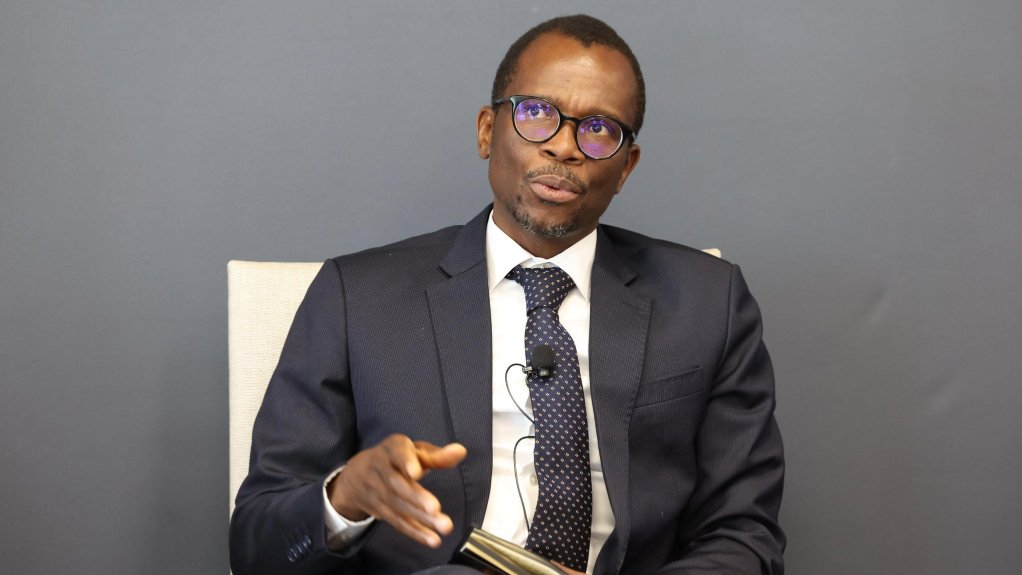
Programme director
Distinguished guests,
Colleagues from the public and private sectors,
Ladies and gentlemen,
Good afternoon,
On behalf of the National Treasury of South Africa, allow me to express my sincere appreciation to the organisers of the G20 Social Summit Side Event for the invitation. It is an honour to join this important conversation on the role of Sovereign Wealth Funds in accelerating development on the African continent. This dialogue comes at a critical moment, one where Africa’s growth ambitions require new instruments, new partnerships, and new sources of capital.
Over the past two decades, the global Sovereign Wealth Fund ecosystem has grown remarkably in number, assets and sophistication. By 2023, SWF assets expanded by 14%, reaching US$13 trillion, up from US$11.6 trillion in 2022. In Africa, however, SWFs collectively account for just 0.24% of global SWF assets. Their scale may be modest, but their potential impact for Africa’s industrialisation, infrastructure expansion and social development is immense.
Nowhere is this potential more urgent than in bridging the infrastructure financing gap. Sub-Saharan African countries allocate only 3.5% of GDP to infrastructure annually, far short of the 7.1% required to meet the SDGs. The continent faces an estimated infrastructure funding gap of US$130–170 billion per year, yet only US$80 billion is currently accessible. Traditional financing mechanisms like national budgets, development finance, or concessional loans, are insufficient on their own. What is required is a new mix of capital and a new appetite for risk-sharing, where SWFs become catalytic investors rather than passive reserve custodians.
This need is further amplified by shifts in the global development finance landscape. Official Development Assistance is projected to decline sharply, and the IMF reports a 7% drop or US$4.2 billion, in external funding to Sub-Saharan Africa. At the same time, low levels of economic diversification, high informality and slowing growth continue to constrain tax revenue. In this environment, development financing must evolve. It is therefore no surprise that more African countries are exploring or establishing SWFs to promote investment, stabilise fiscal systems, and leverage global partnerships.
When appropriately structured and governed, SWFs offer several unique advantages for Africa’s development trajectory. They strengthen resilience against commodity price volatility, support intergenerational wealth transfer, and reduce exposure to volatile external markets. They can crowd-in foreign direct investment, promote industrialisation, and create opportunities for domestic businesses and workers, particularly in marginalised communities. A well-designed SWF model also aligns strongly with Agenda 2063, prioritising infrastructure, industrialisation, technology development and a just transition to a green economy.
SWFs can also unlock Africa’s green industrial opportunity. With long-term mandates, these funds are well positioned to invest in renewable energy including solar, wind, hydro and green hydrogen and in sustainable agriculture, circular-economy industries and climate-resilient infrastructure. These investments deliver financial returns while advancing energy security, climate action, jobs and inclusive growth. Across the continent, we are seeing encouraging examples: Morocco’s Green Growth Infrastructure Facility, Senegal’s FONSIS, and new frameworks emerging in Angola and Nigeria dedicated to social impact and strategic industries.
South Africa placed this agenda firmly on the table during its G20 Presidency, advocating for the establishment of more African SWFs and for greater visibility of Africa’s development financing needs within global financial governance. Our message was unmistakable: Africa does not lack ideas, opportunities, or ambition, it lacks access to predictable, affordable and long-term capital. SWFs can be an important part of the solution.
Ladies and gentlemen,
As we convene today, the task before us is not simply to discuss SWFs, but to reimagine development financing in Africa. We must design SWFs that are transparent, professionally governed and socially impactful. We must promote ESG and social outcomes alongside financial returns. We must build partnerships with global sovereign investors, multilateral financial institutions and private capital, that deliver results on the ground for communities, workers and households.
If we succeed, SWFs can become more than financial instruments. They can become vehicles of dignity and could be used in funding hospitals, schools, infrastructure, affordable energy, resilient cities and new industries that allow young Africans to thrive. I look forward to the outcomes of today’s engagement and to the partnerships that will follow.
Thank you.
EMAIL THIS ARTICLE SAVE THIS ARTICLE ARTICLE ENQUIRY FEEDBACK
To subscribe email subscriptions@creamermedia.co.za or click here
To advertise email advertising@creamermedia.co.za or click here

