





Water utility Rand Water on Tuesday raised concern over persistent high water demand.
The utility said in a statement that it is overstretching its assets to accommodate the high consumption, which is also slowing down the recovery process after an outage.
The continued high water consumption by the cities of Johannesburg and Tshwane is placing strain on the overall water supply network.
Rand Water is currently producing about 5 000-million litres of water a day, 77% of which is consumed by the three metropolitans Tshwane, Ekurhuleni and Johannesburg.
While its systems have fully recovered and pumping is at full capacity after an outage in Midrand, reducing the high consumption is a major contributor in speeding up the recovery process.
“Rand Water is aware of the slow recovery of water supply in the Midrand area (Johannesburg), Laudium, Attridgeville and surrounding areas in Tshwane, as well as the Tembisa area in Ekurhuleni.”
“While some supply interruptions are still being experienced in Tshwane and Ekurhuleni, these are minimal compared with the more significant disruption affecting Midrand.”
Rand Water is continually engaging the metropolitans to find solutions.
“The Midrand area has a long-standing problem of high water consumption exacerbated by growth of both formal and informal settlements. This problem is well understood by Johannesburg Water and the entity has embarked on upgrading the Midrand systems to augment supply in that area,” Rand Water pointed out.
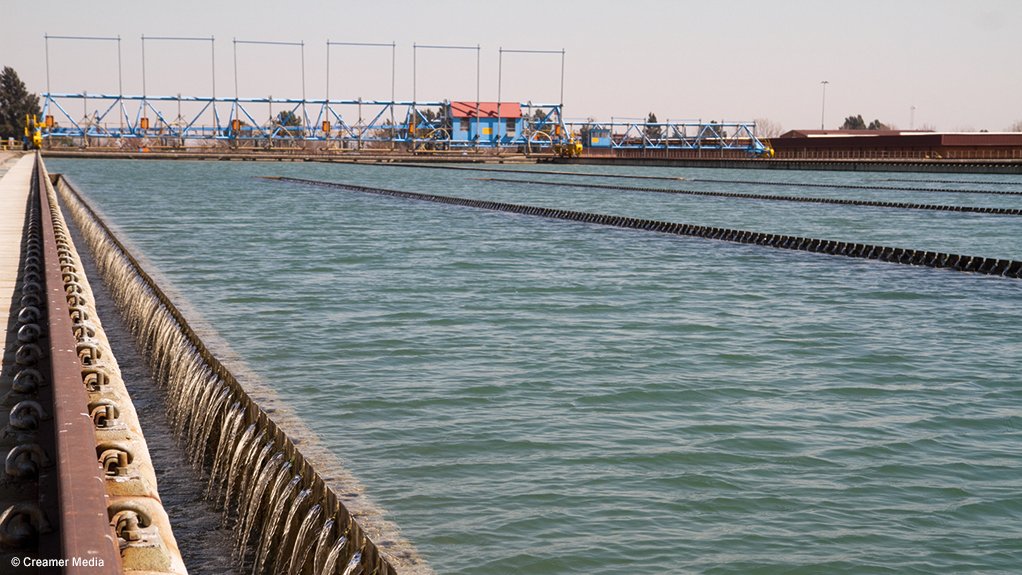
In January, an explosion of a motor connected to one of the pumps at Zuikerbosch water treatment plant led to the temporary shutdown of operations, impacting water supply for households, businesses and communities across Gauteng, particularly in the Johannesburg, Tshwane and Ekurhuleni metropolitans.
The disruption impacted reservoirs within the Palmiet, Eikenhof and Mapleton systems, and some areas experienced low water pressure or temporary water outages.
The regions experienced low water pressure, temporary outages and widespread supply interruptions, which were exacerbated by high water consumption during this period.
Full operations at Zuikerbosch have been restored, with all booster stations pumping at full capacity.
EMAIL THIS ARTICLE SAVE THIS ARTICLE ARTICLE ENQUIRY FEEDBACK
To subscribe email subscriptions@creamermedia.co.za or click here
To advertise email advertising@creamermedia.co.za or click here

