





- Migration: Africa’s Untapped Potential6.32 MB
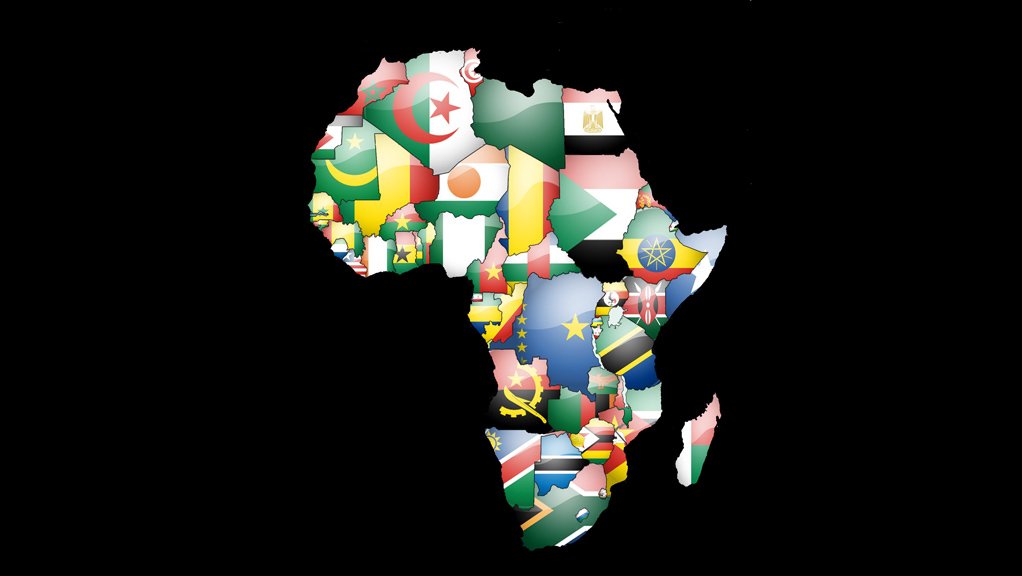
Migration in Africa is primarily driven by the search for economic opportunity, safety, and security, including from environmental hardships. However, migration’s potential to uplift African livelihoods remains largely untapped. While nearly 15 percent of the world’s migrant population is from Sub-Saharan Africa, two-thirds of Sub-Saharan migrants stay within Africa, and the majority move within regional economic communities. Africa is also home to a quarter of the world’s refugees, primarily hosted in neighbouring countries.
Africa is now at a pivotal crossroads. With a rapidly growing young population facing economic stagnation, conflict, and climate change, the continent’s workforce is expected to increase by 600-million people by 2050, making up a third of the world’s youth. In contrast, labour forces in high-income and upper-middle-income countries are set to decline by 200-million. This demographic divergence opens a window of opportunity for Africa to enhance its migration management systems.
Realising the potential of migration requires deliberate policies to address challenges and maximise the benefits of migration for both origin and destination countries, as well as for the migrants. Investing in migration systems can better support migrants across the migration cycle, from developing skills in demand domestically, regionally, and globally to ensuring dignity and safety in transit or at their destination. Increasing the number of legal migration pathways is crucial to disincentivise irregular movements and foster safe, orderly migration.
Effective migration management also includes promoting integration in host societies and facilitating voluntary returns. This can be achieved through instruments such as bilateral labour migration agreements with destination countries. Entering these agreements as a unified bloc would strengthen individual countries’ bargaining power, improve conditions for migrants, and maximise the economic benefits of migration. Additionally, the empowerment and self-reliance of refugees and internally displaced persons call for increased collaboration among African nations.
Report by the World Bank
EMAIL THIS ARTICLE SAVE THIS ARTICLE ARTICLE ENQUIRY FEEDBACK
To subscribe email subscriptions@creamermedia.co.za or click here
To advertise email advertising@creamermedia.co.za or click here

