





A just transition is more than an environmental stewardship imperative, but is also an economic and social imperative and South Africa must ensure the shift to a low-emissions and climate-resilient economy leaves no one behind, said President Cyril Ramaphosa at the opening of the Presidential Climate Commission’s (PCC’s) second term on February 20.
“We must act in partnership with nations across the globe to halt global warming while reducing emissions at a pace and scale appropriate to our national circumstances,” he said.
As South Africa mobilises investment to reduce carbon emissions, priority will also be given to increasing funding for adaptation measures. The pathway to achieving targets outlined in the Nationally Determined Contribution will be designed to reinforce economic growth, social inclusion and job creation, he added.
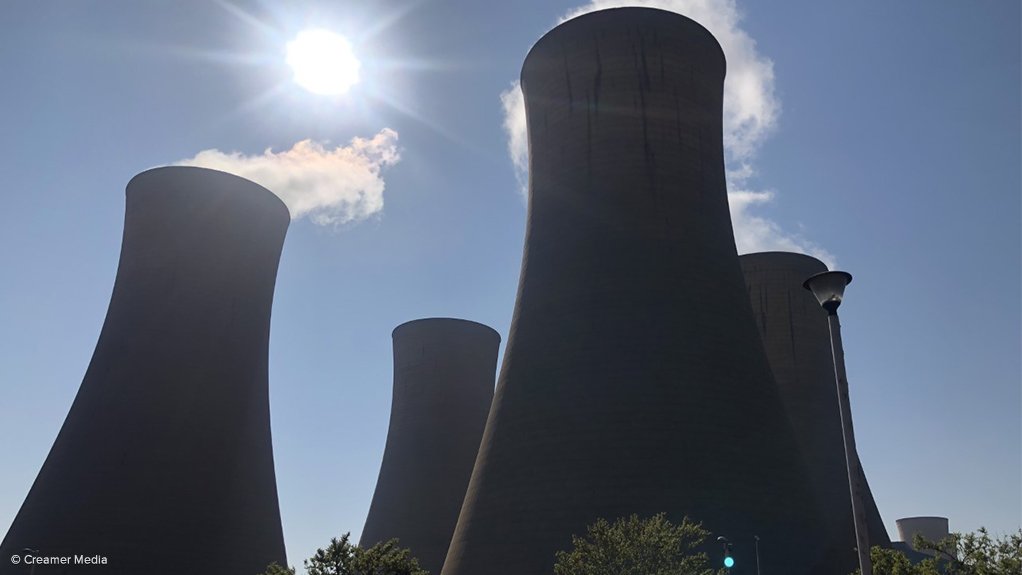
The just transition must have a positive impact and Ramaphosa called for the PCC to continue to play a catalytic and capacity building role in enabling public and private investment in the redevelopment of Komati, in Mpumalanga, while also ensuring that all key stakeholders fulfil their respective commitments.
This project must be presented as a showcase of the just transition in action, and as a replicable model for the responsible decommissioning of coal-fired power stations as they reach the end of their economic life, the President noted.
“The closure of [the Komati] coal-fired plant significantly affected the local economy and left many residents unemployed and the community without a clear recovery pathway.
“By prioritising Komati, the commission should mobilise partnerships towards the sustainable redevelopment of the area as a model demonstration of a just transition, not only replacing lost jobs, but building a sustainable and resilient local economy that benefits residents over the long term,” emphasised Ramaphosa.
He described climate change as an existential threat, as evidenced and felt through the recent climate events across the various provinces in South Africa and the broader region.
“South Africa and many countries around the world are consistently experiencing the impacts of climate change, which are projected to intensify significantly by the end of the decade and beyond. If left unaddressed, these effects will constrain economic growth, undermine shared prosperity and reverse progress in reducing inequality, poverty and unemployment,” said the President.
“The commission’s second term comes at a pivotal moment for South Africa and the global community. Climate action must drive development, protect workers and communities and unlock new economic opportunities,” PCC deputy chairperson Dipak Patel said.
Further, the PCC committed to work more closely with the departments across government through coordinated leadership and shared accountability to ensure that climate action is integrated into national priorities, including energy, finance, trade, labour and cooperative governance.
It will focus on strengthening public awareness, enabling local action and advising on the required policy adjustment measures where necessary.
“We will build on the strong foundation established by the first cohort of Commissioners and sharpen our focus over the next five years. We will focus on strengthening public awareness, enabling local action and advising on the required policy adjustment measures where necessary, driven by the collective resolve to ensure that South Africa’s transition to a low-carbon, climate-resilient future is inclusive, fair and development-driven,” he said.
EMAIL THIS ARTICLE SAVE THIS ARTICLE ARTICLE ENQUIRY FEEDBACK
To subscribe email subscriptions@creamermedia.co.za or click here
To advertise email advertising@creamermedia.co.za or click here

