





The content on this page is not written by Polity.org.za, but is supplied by third parties. This content does not constitute news reporting by Polity.org.za.
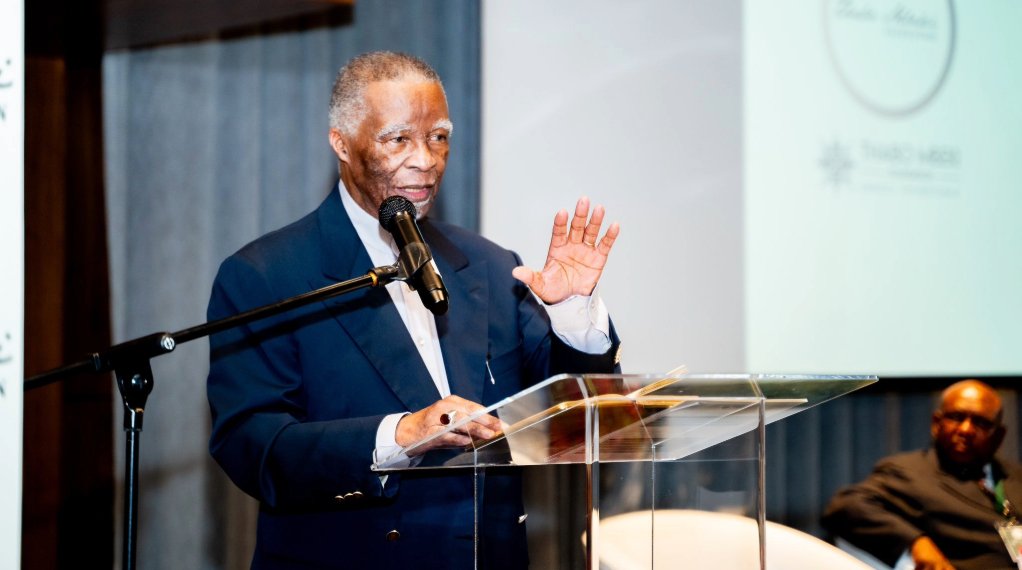
The judicial commission probing delayed TRC investigations and prosecutions has announced a delay in the commencement of its public hearings due to the application by former presidents Thabo Mbeki and Jacob Zuma for the recusal of its chairperson, Judge Sisi Khampepe. The hearings were due to start next week.
Neither former President has admitted instructing that cases recommended by the TRC for further investigation or prosecution should be stopped, but both have claimed, in related documents, that there were merits for nation-building in stopping post-TRC prosecutions.
Both former Presidents played important roles in the negotiations for South Africa’s political settlement in 1994, where the TRC was conceived as the country’s flagship mechanism to overcome its violent and divided past. The legislation that created it, the Promotion of National Unity and Reconciliation Act, was tabled by the democratic state’s first Minister of Justice, Dullah Omar, in 1995.
The Act explicitly stated that, if not granted amnesty, perpetrators of politically motivated gross human rights violations faced investigation and prosecution by the State – ensuring accountability and preventing impunity.
Somewhere along the way, however, the ANC Presidents changed their minds – most likely triggered by the TRC’s refusal to grant a blanket amnesty to 37 ANC leaders who did not want to apply in their individual capacities, like everyone else. This situation created the potential jeopardy of prosecution of ANC leaders.
The Commission’s amnesty-granting process wasn’t a tick-box exercise. It required perpetrators of heinous crimes to publicly confess that they proved their acts were perpetrated with a political motive, and that they be judged to have told the full truth.
The jeopardy of further investigations and prosecutions gave the commission a hard edge. Blunting the edge was a betrayal of the entire Truth and Reconciliation Commission process and all who participated in it, not least the families of victims for whom there has been no closure. And it betrayed natural justice.
Among the issues raised in the former Presidents’ (separate) recusal applications is that Judge Khampepe is biased because she was a TRC Commissioner and member of its Amnesty Committee, and that she was a member of the Constitutional Court that sentenced Zuma to a direct term of imprisonment for contempt of court in 2021.
Judge Khampepe must not take it personally or allow herself to be bullied. She will know that if she recuses herself, the former Presidents will only find an alternative mechanism to delay accounting to the nation.
Whether Judge Khampepe or another judge oversees the commission, the Presidents are eventually going to have to explain a course of events that evidently placed the interests of political expedience, for some, above those of nation-building and the law.
They’re not just being squeezed by the commission; they also have the parallel damages action brought by victims’ families against the State to worry about.
Issued by Unite for Change Leadership Council Member and GOOD Secretary-General Brett Herron
EMAIL THIS ARTICLE SAVE THIS ARTICLE ARTICLE ENQUIRY FEEDBACK
To subscribe email subscriptions@creamermedia.co.za or click here
To advertise email advertising@creamermedia.co.za or click here

