





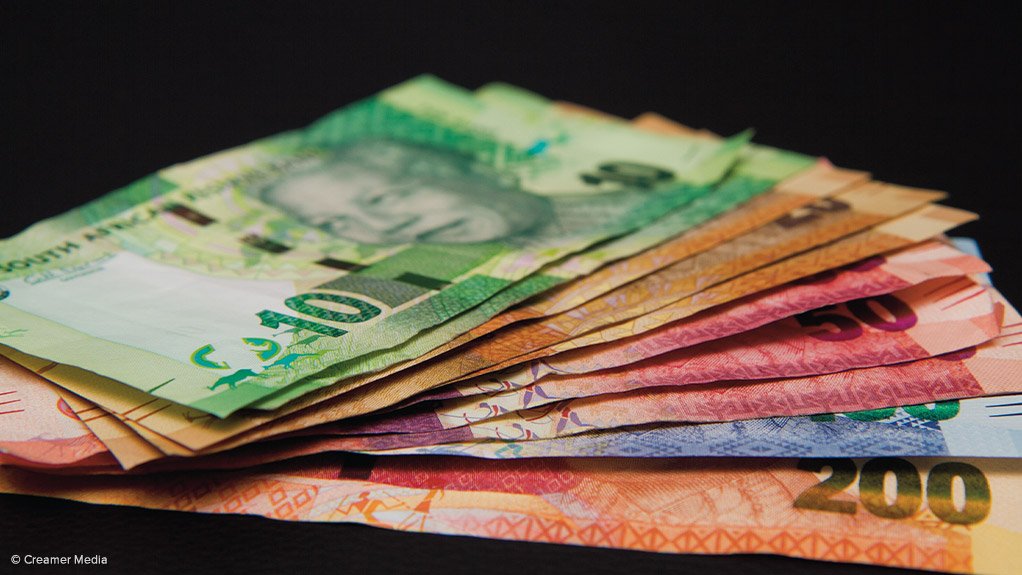
Prolonged higher oil prices could force the South African central bank to consider raising interest rates as a weaker rand pushes inflation higher than it’s prepared to tolerate.
That’s according to Goldman Sachs Group Inc. economist Andrew Matheny, who cautioned the rand may face sustained pressure if the US-Israel war on Iran pushes oil prices toward $130 per barrel, and its assumption that the disruption to crude flows won’t last long is proved wrong.
“If you get a large enough oil shock combined with a weaker rand, it’s likely that you would get a breach of the 4% upper bound of the tolerance band” for consumer prices, Sachs said in an interview on Thursday. “If you get a significant and persistent breach, those are the circumstances in which we think the South African Reserve Bank (SARB) would likely hike rates.”
The rand has fallen sharply since the start of the war, weakening almost 2% on Thursday after Iran’s new Supreme Leader, Mojtaba Khamenei, said the Strait of Hormuz – a transit point for 20% of global oil supplies — should remain closed while the conflict lasts. The currency traded at 16.79 per dollar on Friday morning.
The central bank, which last year adopted a 3% inflation target with a one-percentage-point tolerance band, will deliver its next policy decision on March 26. Inflation was 3.5% in January.
Traders have already lowered bets in derivatives markets for a SARB rate cut later this year and have begun to price in a potential hike.
Still, Matheny said the conflict is unlikely to significantly derail South Africa’s improved fiscal outlook, unless the economy deteriorates sharply.
Finance Minister Enoch Godongwana’s budget last month showed government debt as a percentage of gross domestic product peaking in the fiscal year through March and then gradually falling, with GDP growing 1.6% in 2026 and rising to 2% in 2028.
Revenue projections by the National Treasury are “extremely conservative,” Matheny said. Collections may exceed budget forecasts by as much as R20-billion in the current fiscal year, he said.
Higher commodity prices also present upside risks to revenue because they’re largely not incorporated into the government’s assumptions for 2026, Matheny said.
EMAIL THIS ARTICLE SAVE THIS ARTICLE FEEDBACK
To subscribe email subscriptions@creamermedia.co.za or click here
To advertise email advertising@creamermedia.co.za or click here

