





America will remain a vital partner, so African governments should expand, not reduce, their options to advance their interests.
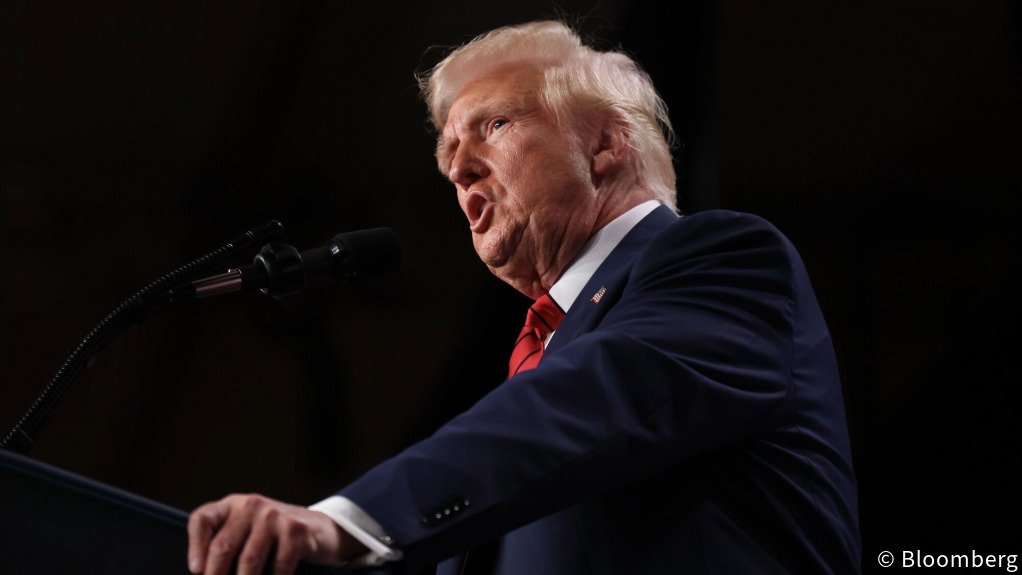
Relations with the United States (US) under President Donald Trump will likely be an underlying theme as African leaders gather this weekend for the 39th African Union summit.
The new US National Security Strategy (NSS) has led some voices to urge African countries’ reflexive disengagement from the US. The document diverges sharply – in tone and focus, and particularly on Africa – from prior strategies of both Republican and Democratic administrations. It also presents changes and internal contradictions in US foreign policy.
But America will remain a vital partner for African nations seeking to maintain options in a multipolar world. Governments should expand, not reduce, opportunities to advance their interests amid sharpening major-power competition.
In reality the NSS – while the most influential single declaration of US foreign policy intent – is not fully authoritative. Former US officials who helped write past versions note its weakness in failing to control or reflect the budgets, negotiated with Congress, needed to implement any policy. And Trump’s highly personalised and unpredictable decision-making style means he ignores documents such as the NSS that have guided other presidents.
Indeed, Trump’s 2017 national security team crafted his first administration’s NSS to view Russia and China as the US’ main national security challenges. But in presenting the document, Trump praised his administration’s intelligence cooperation with Russian President Vladimir Putin and countered other themes of the strategy.
The 2017 NSS outlined broad but limited priorities on Africa, such as combatting terrorism and fostering economic partnerships. While it acknowledged Africa’s challenges, it lacked a comprehensive plan for engaging African nations, predominantly viewing them through the lens of security issues and great-power competition.
In 2022, by contrast, former US president Joe Biden’s NSS recognised Africa as an important, autonomous and strategic partner in global affairs. It stressed the value of African voices and the diaspora, leveraging the continent’s growing demographic dividend, and working collaboratively through multilateral institutions to address shared challenges like climate change and regional conflicts.
Trump’s 2025 NSS offers a selective transactional engagement devoid of any comprehensive recognition of Africa’s multifaceted challenges. The strategy’s ‘America First’ theme emphasises US national sovereignty, economic self-interest and a robust military posture. In Africa, it urges advancing US commercial interests and addressing terrorism and geopolitical conflicts only when they directly threaten US interests.
Unlike previous strategies that aimed to work through the ‘3-D’ framework of diplomacy, development and defence, this NSS urges a ‘transition from an aid-focused relationship with Africa to a trade- and investment-focused relationship, favouring partnerships with capable, reliable states.’ It discards engaging with all African states, using multilateral institutions and development assistance.
The NSS’ pullback from Africa is already reflected in 2025 events, such as Trump’s dismantling of the US Agency for International Development and withdrawal from multilateral organisations. These include the United Nations’ Economic Commission for Africa and Office of the Special Adviser on Africa, and the 43-nation Partnership for Atlantic Cooperation.
These and other US actions, such as tariffs and visa bans, are cutting away the policy tools needed to achieve many of Trump’s declared goals. As of mid-January 2026, Africans from 39 countries were totally or partially banned from receiving immigrant visas.
The US also widened its requirement for visa applicants, mostly from Africa, to pay (refundable) bonds of up to US$15 000 for business or travel visas. These frictions will hinder the commercial diplomacy goals the US has publicised.
To advance their own interests and build a sustainable win-win partnership, African governments must become more strategic and targeted in their relationships with the US – and creative in how they pursue them. Five actionable steps should be considered.
First, African governments should clearly articulate their strategic interests, focusing on how bilateral US relations can advance their national development goals. Sharply defining their needs can reduce the risk of getting ensnared in unforeseen US policy shifts.
The development of critical minerals is a promising area of mutual interest, as the US seeks African partners to secure supply chains and Africans seek to have their minerals processed at home, not mainly in China. While Trump’s administration has significantly reduced development aid, it appears committed to health programming and infrastructure, which is essential to many African countries.
Second, countries should bolster their diplomatic presence and visibility in Washington, DC to more energetically advocate for their interests and engage US leaders. Trump’s administration operates more on personal than institutional relationships.
Third, African governments must widen their self-advocacy beyond the US federal government to engage American businesses, diasporas, academia, civil society and non-government organisations – plus individual US states. States have untapped reservoirs of goodwill, resources and know-how relevant to many African countries, and they may be free of the political constraints facing federal institutions and agencies.
The fourth step is to adapt negotiating strategies. African leaders should scrutinise Trump’s negotiating style to tailor strategies that address US interests while safeguarding their nations’ priorities. This requires a realistic recognition of the transactional nature of this US administration.
Fifth, even as the US administration favours bilateral negotiations, African nations should bolster and unify multilateral platforms to apply their leverage in dealing with America. This vital strategy means strengthening the African Union and the continent’s regional economic communities.
Trump’s 2025 NSS reflects a transformative shift in US-Africa relations, characterised by a transactional US approach that prioritises limited US interests over collaboration and development.
To protect their interests, African governments should respond by expanding their options rather than reflexively excluding the US. Trump and his administration acknowledge leverage – and Africa’s growing population, economic potential and natural resources offer ingredients of power and leverage that African countries should develop.
With that vital, cooperative step – and by sharply defining their strategic priorities and strengthening their diplomatic capabilities – African countries can adjust and sustain productive relations with the US and better advance their development.
Written by Dr Joseph Sany, Senior Research Fellow, Africa in the World, ISS
EMAIL THIS ARTICLE SAVE THIS ARTICLE ARTICLE ENQUIRY FEEDBACK
To subscribe email subscriptions@creamermedia.co.za or click here
To advertise email advertising@creamermedia.co.za or click here

