





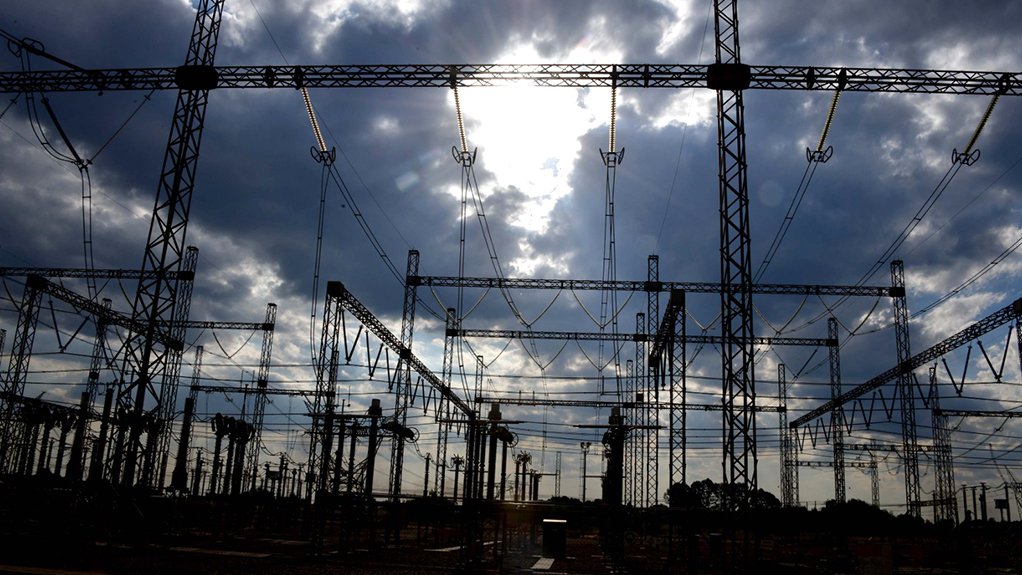
Eskom Holdings will be allowed to take over the distribution of electricity in South African municipalities that collectively owed the state utility R85.2-billion at the end of last year.
The government has offered support to local authorities that have fallen into arrears due to weak revenue generation, poor credit controls and other financial pressures. But only 15 of 71 councils that signed up for a turnaround program have consistently met the conditions to qualify for relief from the state, including demonstrating improved debt collection.
“To protect the national grid and municipal validity, government will introduce Distribution Agency Agreements, under which Eskom takes over” power distribution from defaulting councils, the National Treasury said in the 2026 Budget Review, released in Cape Town on Wednesday. “Municipalities that refuse these conditions will be removed from the program and become liable for the entirety of their debts.”
To help ensure that consumers pay for the electricity they use, the government is also backing a smart-meter program, with the budget providing R2.5-billion rand in funding over the next three fiscal years. More than 139 000 of the meters have already been installed in the debt-distressed municipalities and there are plans to roll out another 96 400.
“Beyond improving billing accuracy, these systems provide real-time data to identify leaks and illegal connections, directly addressing structural revenue losses,” the Treasury said.
Eskom, which generates the bulk of South Africa’s electricity, recently stabilized the power system following years of outages that curbed economic growth.
The utility still faces challenges in unbundling the business – part of the liberalization of the electricity sector that will include greater participation by power traders and private producers. It has specifically flagged municipal debt as a factor slowing the process. The overall amount it is owed by municipalities is estimated at about R110-billion.
The utility’s finances have shown recent improvement. That’s primarily due to a R230-billion government debt-relief program, R140-billion of which has been disbursed to date.
“While liquidity ratios strengthened, indicating an improved ability for Eskom to honour short-term financial obligations when they fall due, liquidity pressures require ongoing monitoring,” the Treasury said, noting that Eskom had reported its first profit in nearly a decade.
The government guarantees much of the debt owed by Eskom and logistics company Transnet Holdings SOC Ltd., which constitutes a “significant fiscal risk,” the Treasury said.
EMAIL THIS ARTICLE SAVE THIS ARTICLE FEEDBACK
To subscribe email subscriptions@creamermedia.co.za or click here
To advertise email advertising@creamermedia.co.za or click here

