





The content on this page is not written by Polity.org.za, but is supplied by third parties. This content does not constitute news reporting by Polity.org.za.
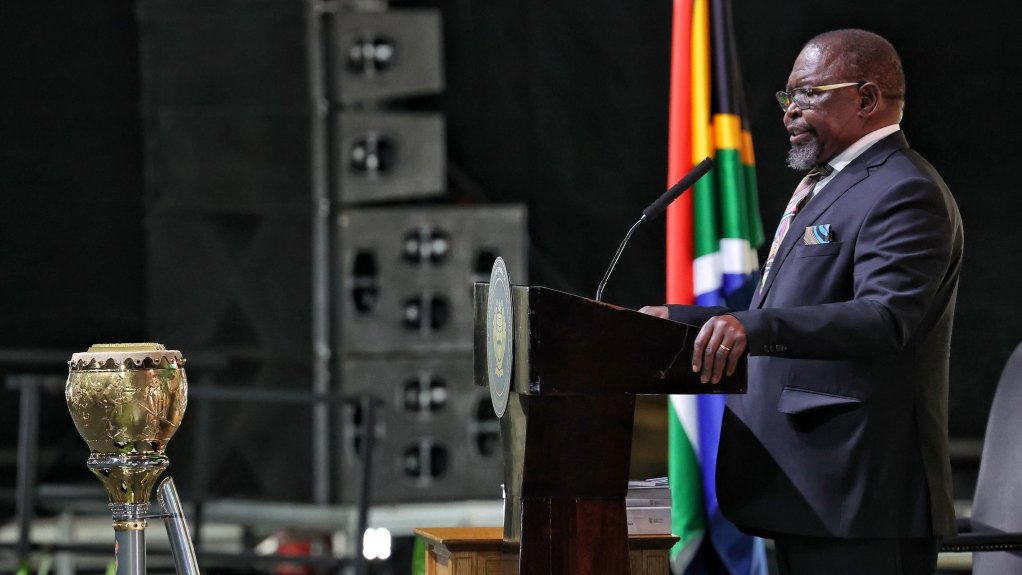
Minister of Finance Enoch Godongwana is expected to highlight several reasons to feel encouraged that South Africa’s stunted economy is on the cusp of a growth phase when he delivers the 2025 Medium Term Budget Policy Statement tomorrow.
Among the expected highlights is a lower-than-anticipated budget deficit, due to increased tax collection and relatively restrained spending (partly a consequence of the delayed budget adoption this year). A lowering rate of inflation, a modest decline in the unemployment rate, and the country’s removal from the Financial Action Task Force’s grey list will add to the Minister’s improving picture.
The trajectory we’re on appears good, but the bottom line is that we’re moving far too slowly to address the country’s poverty gap. The IMF has recently adjusted its growth forecasts for South Africa to 1.1% for this year and 1.2% for next year. When we’ve grown at 4% and 5% for several years, the size of the economy will catch up with the need for jobs and livelihoods.
When you don’t have enough income to afford to feed yourself, and the State makes you jump through hoops to qualify for a temporary Social Relief of Distress grant that amounts to just one-third of the State’s official food poverty line, issues such as inflation and the grey list are of relatively lesser significance. It is cold comfort to the poor that, instead of paying more market-related grants, among the State’s “savings” on its budgeted expenses this year is a reduction in grant recipients.
In his budget speech in May, Godongwana committed to fine-tuning State expenditure to cut waste and divert funds to areas of greater priority.
This is the most fertile water in which he can fish to unlock affordable revenue from the development of public infrastructure, generate jobs, and begin to alleviate the suffering of the poor through inclusion in the economy. In addition, the GOOD Party has long argued that this is where the bulk of the money to fund a Basic Income Grant should come from.
“Poverty” and “inequality” are more than buzzwords; they have human consequences. The most basic human needs are food and water. Our state, grounded in the principles of social justice, has a moral duty to support those who cannot afford food or access clean water. In the absence of a Basic Income Grant, which meets the lower bound poverty line, our SRD grant must be supplemented by a national food programme.
We will be looking for signs of a meaningful expenditure review in Godongwana’s speech tomorrow, ahead of more meaningful signs in next year’s budget.
The extent of inherited and inadequately addressed inequality and poverty is South Africa’s greatest existential threat. It is the rubber band already frayed and overstretched. Godongwana’s job is to stop it from snapping.
*The GOOD Party is a founding member of UNITE FOR CHANGE.
Issued by Unite for Change Leadership Council Member and GOOD Secretary-General Brett Herron
EMAIL THIS ARTICLE SAVE THIS ARTICLE ARTICLE ENQUIRY FEEDBACK
To subscribe email subscriptions@creamermedia.co.za or click here
To advertise email advertising@creamermedia.co.za or click here

