





The fifty-sixth Annual Meeting of international organisation the World Economic Forum (WEF), to be held in Davos, Switzerland, from January 19 to 23, is expected to attract record levels of governmental participation, including 400 top political leaders, 65 heads of State and government, six of the Group of Seven (G7) nations' leaders and nearly 850 of the world’s top business leaders.
At a pivotal moment for global cooperation, high-level government representation is expected from all key regions, including G7 nations and heads of State from countries central to dialogue on critical global situations – from Ukraine to Gaza and the broader Middle East, and beyond, the WEF says.
Amid the most complex geopolitical backdrop in decades, marked by rising fragmentation and rapid technological change, the need for an impartial platform that brings together diverse and sometimes diverging voices across industries, regions and generations is urgent.
Building on the WEF's long-standing tradition of providing a trusted space for dialogue and public-private collaboration, the Annual Meeting 2026 will enable an open exchange of ideas and perspectives on the issues that matter most to people, economies and the planet, turning shared understanding into action, the international finance organisation says.
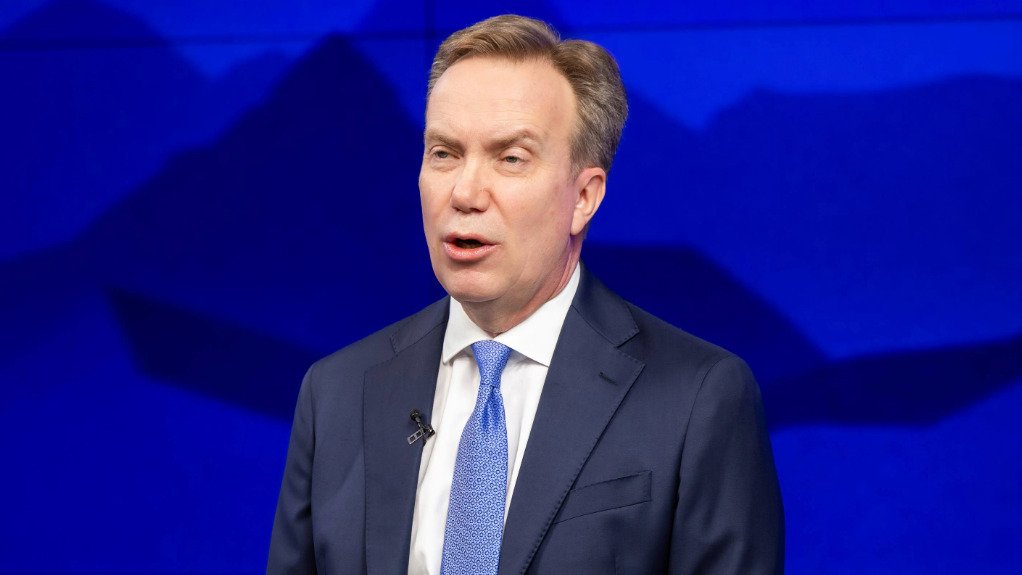
“Dialogue is not a luxury in times of uncertainty; it is an urgent necessity. At a critical juncture for international cooperation, which is marked by profound geoeconomic and technological transformation, this year’s Annual Meeting will be one of our most consequential,” says WEF president and CEO Børge Brende.
“With historic levels of participation, the meeting will provide a space for a mix of global leaders and innovators to work through and look beyond divisions, gain insight into a fast-shifting global landscape and advance solutions to today’s and tomorrow’s biggest and most pressing challenges,” he says.
The 2026 programme, under the theme A Spirit of Dialogue, is centred around five pressing global challenges where public-private dialogue and cooperation, involving all stakeholders, are critical for collective progress.
These are how nations can cooperate in a more contested world, how nations can unlock new sources of growth, how can people be better developed, how innovation can be deployed at scale and responsibly, and how prosperity within planetary boundaries can be built.
“In a global economy shaped by technology, geoeconomics and demographics, the defining challenge will be whether opportunity is broadly shared or if growth remains sluggish and uneven. The meeting will connect leaders to discuss how to unlock growth, jobs and economic transformation that translate into progress for communities everywhere,” says WEF MD Saadia Zahidi.
About 1 700 business leaders will participate in the meeting, alongside almost 100 CEOs and chairpersons of companies and technology pioneers transforming industries and shaping the future or technology worldwide.
“In an era where exponential technological innovation and geopolitical disruption are deeply intertwined, the need for constructive dialogue between policy-makers and industry is clear. Leaders will share views from across sectors to help build the understanding needed to balance short-term priorities and immediate challenges with long-term value creation,” says WEF MD Mirek Dušek.
Additionally, almost 200 leaders from civil society and the social sector, including labour unions, nongovernmental and faith-based organisations, as well as experts and heads of the world’s leading universities, research institutions and think tanks, will also participate in the meeting.
The Annual Meeting 2026 will be accessible to the wider public through the live-streaming of over 200 sessions. In addition, the Open Forum, now in its twenty-third year, will host public panel discussions for the local community and participants from around the world, encouraging wider participation and open dialogue on key global issues, the WEF says.
“Understanding different perspectives is essential to driving economic progress and ensuring prosperity is more broadly shared,” says WEF interim co-chairperson Larry Fink.
“By bringing together leaders across regions and sectors, the meeting creates the conditions to rebuild trust, align priorities and advance solutions that support long-term, sustainable growth for all within planetary boundaries," says WEF interim co-chairperson André Hoffmann.
EMAIL THIS ARTICLE SAVE THIS ARTICLE ARTICLE ENQUIRY FEEDBACK
To subscribe email subscriptions@creamermedia.co.za or click here
To advertise email advertising@creamermedia.co.za or click here

