





Implementing reforms in the electricity and logistics sectors to facilitate the establishment of “commercially viable, competitive markets in these network industries”, has been identified as a key priority for the next phase of the Government Business Partnership.
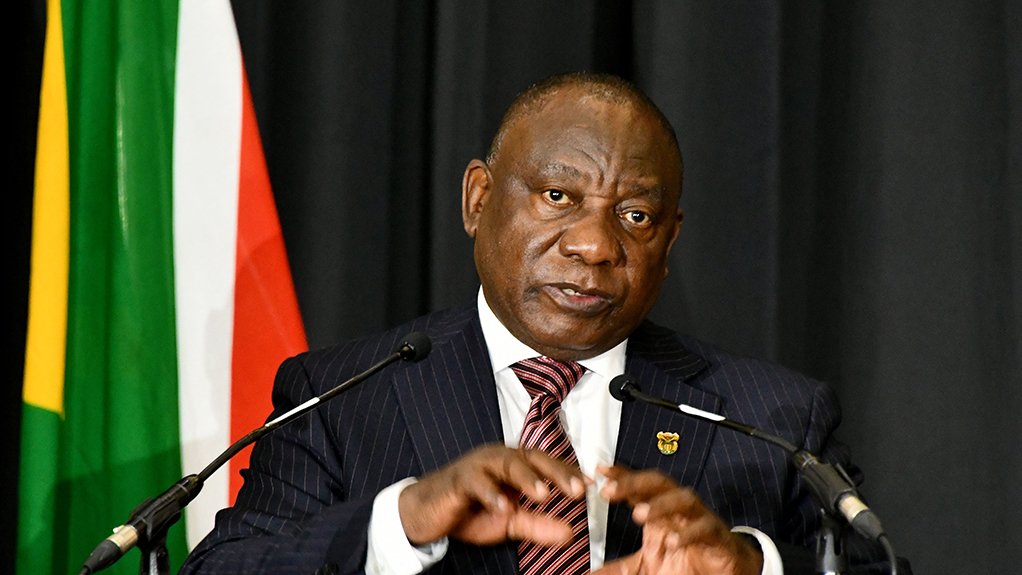
In a statement published following a meeting of the partnership hosted in Pretoria by President Cyril Ramaphosa on January 27, it is stated that such markets would be “essential to mobilising the additional investment required for growth”.
While highlighting the improved operational performance, particularly at Eskom, achieved during Phase Two of the partnership, as well as the progress made in opening the port and rail networks to private sector participation, it was indicated that the focus in these two areas “should now shift decisively from crisis management to the urgent implementation of government’s structural reform agenda”.
“Priority activities for Phase Three include support for government’s energy market reform, including the launch of a competitive South African wholesale electricity market, grid expansion and the publication of a clear roadmap for Eskom’s unbundling which clarifies the approach to establishing an independent Transmission System Operator (TSO) in line with the Electricity Regulation Act,” the statement reads.
The meeting was held against the backdrop of some disquiet over the revised unbundling plan for Eskom; one that proposes that the National Transmission Company South Africa remains an Eskom Holdings subsidiary and retains ownership of the transmission assets, while the TSO becomes the system and market operator but without owning the underlying assets.
It was also agreed that Phase Three of the partnership would be anchored under the theme of ‘Inclusive Growth, Jobs and Confidence’, with all actions under the partnership to be assessed against their ability to grow the economy, support job creation and strengthen confidence.
Government and business further agreed that crime and corruption remained among the most significant deterrents to confidence, investment and economic growth.
“Tackling organised crime, corruption and weaknesses in the criminal justice system will therefore become a more central focus of the partnership’s work in 2026, recognising the direct link between the rule of law, societal and investor confidence, and growth,” the statement reads.
EMAIL THIS ARTICLE SAVE THIS ARTICLE ARTICLE ENQUIRY FEEDBACK
To subscribe email subscriptions@creamermedia.co.za or click here
To advertise email advertising@creamermedia.co.za or click here

