





The African Development Fund (ADF) has mobilised a record $11-billion under its 17th replenishment, marking a significant shift in Africa’s development financing model toward greater regional ownership and investment-led growth.
Announced in London this week, the ADF-17 outcome represents a 23% increase on the previous replenishment, achieved despite tightening global fiscal conditions and declining international aid budgets. The fund is the concessional financing arm of the African Development Bank Group and supports low-income and fragile states across the continent.
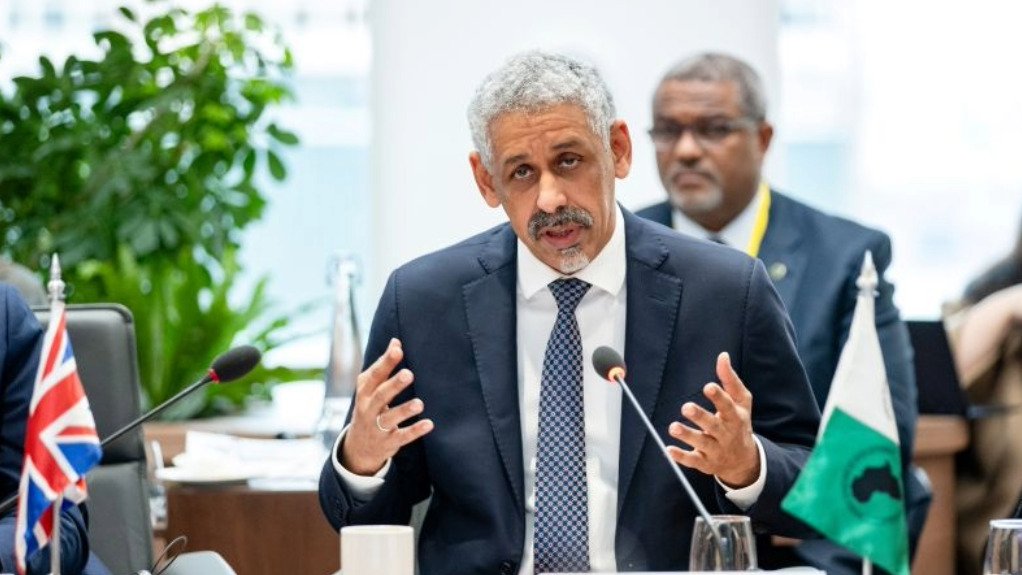
“This is not just a replenishment,” African Development Bank Group president Dr Sidi Ould Tah said. “It is a turning point. In one of the most difficult global environments for development finance, our partners chose ambition over retrenchment, and investment over inertia.”
A defining feature of the latest replenishment is the unprecedented participation of African countries themselves. For the first time in the fund’s history, 23 African nations contributed directly to the concessional financing window, pledging a combined $182.7-million. Nineteen countries made first-time contributions, resulting in a fivefold increase compared with the previous replenishment.
“This is not symbolic,” Ould Tah said. “This is transformational. Africa is no longer only a beneficiary of concessional finance. Africa is a co-investor in its own future.”
Beyond the headline funding figure, ADF-17 signals a structural shift in how concessional resources will be deployed. Partners endorsed a new financial model that will allow the fund to leverage its balance sheet, including through the introduction of a market borrowing option during the current cycle, as well as the use of hybrid capital instruments.
Under the revised approach, concessional finance will increasingly be used to absorb risk, crowd in private capital and catalyse investment at scale. Each dollar invested through the fund currently mobilises more than $2.50 in co-financing and private capital, a ratio the bank expects to improve further.
“This allows concessional finance to do what it must do best,” Ould Tah said. “Absorb risk, unlock private investment, and accelerate development at scale.”
The replenishment also anchors a new generation of large-scale concessional co-financing partnerships. Commitments announced alongside ADF-17 include up to $800-million from the Arab Bank for Economic Development in Africa and up to $2-billion from the OPEC Fund for International Development, strengthening the fund’s capacity to deliver large, transformational projects in challenging environments.
Resources mobilised under ADF-17 will be directed to 37 low-income and fragile African countries, with priority areas including energy access, food security, human capital development, regional integration and resilient infrastructure. Targeted support will continue for countries affected by fragility and vulnerability through instruments such as the Transition Support Facility.
The London pledging session, co-hosted by the UK and Ghana, concluded a year-long replenishment process conducted amid heightened global uncertainty.
“The UK is proud to co-host the 17th replenishment of the African Development Fund alongside the Republic of Ghana. We have a long-standing partnership with the African Development Bank and support it in driving sustainable and inclusive growth on the continent – for the benefit of the UK and our African partners," said UK Minister of State for International Development and Africa Baroness Jenny Chapman.
Ghana’s Deputy Minister of Finance, Thomas Nyarko Amprem, described the fund as “a strategic instrument of the African Development Bank Group to reduce vulnerability on the continent”.
EMAIL THIS ARTICLE SAVE THIS ARTICLE ARTICLE ENQUIRY FEEDBACK
To subscribe email subscriptions@creamermedia.co.za or click here
To advertise email advertising@creamermedia.co.za or click here

