





The content on this page is not written by Polity.org.za, but is supplied by third parties. This content does not constitute news reporting by Polity.org.za.
ActionSA Johannesburg welcomes the release of the 2025 School Performance Results and extends its congratulations to learners, educators, parents, and school communities across the City of Johannesburg. These results are consequences of resilience, determination, and an enduring belief in the power of education, achieved in a context where many households face economic pressure, service delivery instability, and social uncertainty. The performance of the Class of 2025 stands as a reminder that, even in difficult circumstances, commitment to learning remains one of the most powerful investments a society can make.
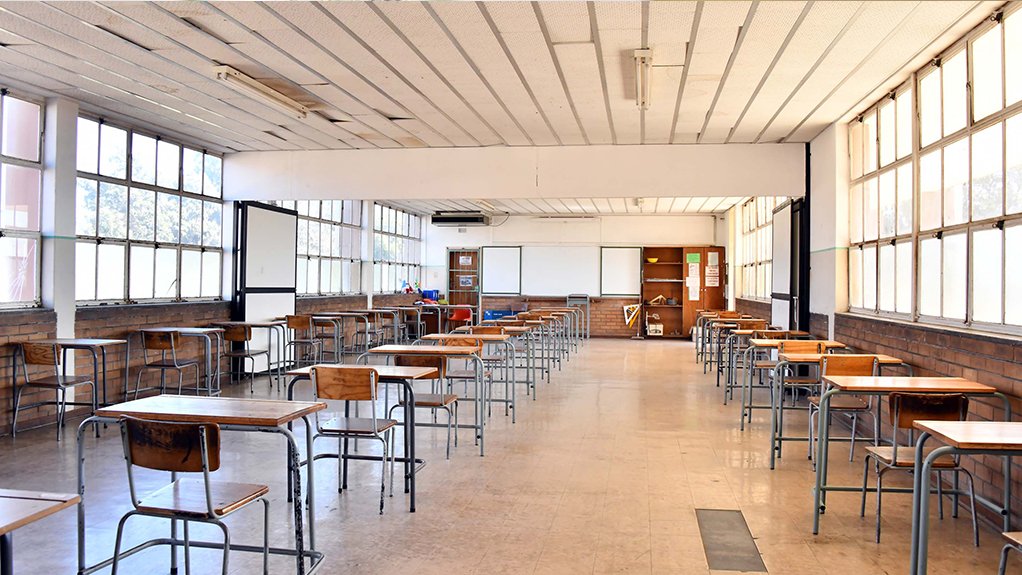
We particularly commend learners from historically under-resourced communities who have succeeded despite overcrowded classrooms, unreliable electricity, water disruptions, and limited access to digital learning tools. For many families, education remains the most realistic pathway to opportunity, and these results affirm that aspiration. Communities that rallied around schools, protected learning time during disruption, and supported learners materially and emotionally deserve recognition. Their collective effort demonstrates that local social cohesion can deliver positive outcomes even where the state has fallen short.
At the same time, ActionSA acknowledges the performance of schools in historically well-resourced areas of Johannesburg, many of which continue to produce strong academic outcomes. These results reassure parents and the broader economic sector that Johannesburg still possesses capable young people able to thrive despite a schooling system in crisis, enabling them to compete in the real world and sustain the city’s economy, innovation, and professional workforce. Education stability remains central to investor confidence, household mobility, and the preservation of Johannesburg’s role as South Africa’s economic engine.
The overall picture, however, reveals persistent inequality between schools within the same regional boundaries. It is concerning that some schools in historically well-resourced areas remain classified within the same quintiles despite demographic changes, affordability pressures, and declining municipal services. Many households now face rising costs, deteriorating infrastructure, increased security expenses, and declining disposable income, yet schools are expected to maintain performance without corresponding adjustments in support, funding models, or service delivery reliability.
ActionSA is equally concerned about the impact of municipal service failures on learning outcomes. Electricity outages, water interruptions, failing sanitation, and unsafe public environments disrupt teaching and learning across Johannesburg. Schools in under-resourced communities are hardest hit, but suburban and inner-city schools are increasingly affected. Responsibility for this failure rests with government, not educators or learners.
We encourage the Department of Basic Education, in partnership with the Gauteng Department of Education and local authorities, to use these results for targeted intervention. Schools that have improved should be supported to sustain momentum, while struggling schools require meaningful, on-the-ground assistance. Quintile classifications should be reviewed to reflect current socio-economic realities. Communities, parents, and the private sector must remain engaged as partners, sharing resources, mentoring, and advocating for systemic reform.
In celebrating these results, ActionSA Johannesburg reaffirms its commitment to a city where quality education is not determined by postcode, household resources, or historical privilege. Johannesburg has the human capital, diversity, and institutional footprint to deliver excellence across all communities. What is required is ethical leadership, functional service delivery, and recognition that education is inseparable from the lived conditions of our city. The Class of 2025 has shown what is possible; it is now the government’s responsibility to make their success the norm rather than the exception.
Issued by ActionSA Joburg Regional Secretary Lebo Mokoka
EMAIL THIS ARTICLE SAVE THIS ARTICLE ARTICLE ENQUIRY FEEDBACK
To subscribe email subscriptions@creamermedia.co.za or click here
To advertise email advertising@creamermedia.co.za or click here

